
Prepaid eSIM Plans Unlock Instant Connectivity Without Long-Term Contracts
Imagine landing in a new country and having mobile data ready to go before you even leave the airport. That’s the convenience of a prepaid eSIM, a digital SIM card that you buy and activate online. It works by downloading a profile to your phone, letting you connect to a local network without needing a physical card. The biggest benefit is skipping airport kiosks and getting online instantly with just a few taps.
Understanding Digital SIM Cards with Upfront Payment
A prepaid eSIM with upfront payment means you purchase the digital SIM profile and pay for a data plan entirely before activation, avoiding post-paid billing. Your device downloads the eSIM profile after payment, granting immediate service tied to that prepaid balance. There are no surprise fees, as the cost covers a fixed data allowance or validity period. Q: Can I top up a prepaid eSIM after the upfront payment? A: Yes, many providers allow adding funds or extensions via their app or website, but the initial purchase is a one-time, fully-paid transaction that activates the service without any recurring commitment.
How a Pay-As-You-Go Embedded SIM Differs from Traditional Plastic SIMs
A Pay-As-You-Go Embedded SIM differs from a traditional plastic SIM by existing as a permanent, soldered chip inside your device, eliminating the need to physically swap cards when topping up or changing plans. With a traditional SIM, you must purchase a new plastic card, wait for delivery, or visit a store to insert it. In contrast, the eSIM is remotely activated via a QR code or app, instantly loading a prepaid balance onto the embedded chip. This makes switching providers or topping up seamless through a digital interface, whereas a plastic SIM requires physical handling and storage. The eSIM also frees up the SIM tray for a second physical card, offering dual connectivity without hardware changes.
A Pay-As-You-Go Embedded SIM replaces the tangible plastic card with a permanently built-in chip, enabling remote, instant prepaid activation and carrier switching without physical swaps or waiting for delivery.
Key Mechanics: Activation, Top-Ups, and Network Switching

After purchasing a prepaid eSIM, activation often requires scanning a QR code or entering a manual code, which immediately provisions the profile on your device. Top-ups are performed via the provider’s app or website, adding data or talk-time without a physical SIM. For network switching, a prepaid eSIM allows you to toggle between local networks if multiple profiles are loaded. The sequence to switch networks typically involves:
- Disabling your current eSIM line in device settings.
- Enabling the alternative prepaid eSIM profile.
- Selecting a preferred carrier from the list when prompted.
Who Benefits Most from This Mobile Solution
Frequent international travelers gain the most, as a prepaid eSIM with upfront payment eliminates roaming fees and the hunt for local physical SIMs upon arrival. Digital nomads appreciate the ability to switch between country-specific data plans mid-trip without visiting a store. Budget-conscious users benefit from locking in a fixed cost for data before departure, avoiding surprise overages. Short-term visitors—tourists or business travelers on week-long stays—find this solution ideal since they pay only for the data they need with no postpaid commitment.

- Streamlines connectivity for multi-country trips without physical card swaps.
- Gives digital nomads control to activate temporary local plans as they move.
- Helps budget travelers predict and cap mobile spending before departure.
- Serves short-term visitors who want zero billing surprises or contracts.
Top Reasons Travelers Choose a Preloaded eSIM Profile
Travelers choose a preloaded eSIM profile for prepaid plans primarily to eliminate physical SIM logistics. You land with instant connectivity, avoiding local store queues or currency issues for a physical SIM card. This prepaid model locks in a fixed data allowance at a known price, eliminating surprise roaming bills. Key appeal is the ability to activate and manage the profile entirely online before departure. How does a preloaded eSIM avoid unexpected fees? Since you pay upfront for the prepaid balance, the carrier cannot charge overage or daily roaming rates once the data bucket depletes; you simply top up or the profile stops.
Avoiding Roaming Fees with Local or Regional Data Bundles
A preloaded eSIM eliminates the shock of unpredictable roaming charges by giving you access to affordable local or regional data bundles before you even depart. Instead of your home carrier’s inflated daily fees, you purchase a dedicated, fixed-price plan for your destination. This straightforward swap ensures you pay only for the data you need, avoiding surprise bills from international roaming agreements. As soon as you land, you connect directly to a local network, using your own device without physical SIM swaps or sky-high per-megabyte costs. The result is complete cost control and connectivity, not a costly cellular gamble.
Immediate Connectivity Upon Landing Without Physical Kiosk Visits
Upon landing, a preloaded eSIM eliminates the need to hunt for a physical kiosk or endure Wi-Fi-dependent activation. This instant global roaming begins the moment the aircraft door opens, as the profile activates automatically via the local network. Travelers bypass airport queues, currency exchange for SIM cards, and the hassle of swapping nano-SIMs. Instead, they have immediate data access for navigation, ride-hailing, or messaging. Q: How does this work without an internet connection at the airport? A: The eSIM profile is pre-provisioned with network credentials; your device connects to the local carrier’s tower as soon as it’s in range, requiring no manual steps or physical purchase.
Managing Multiple Numbers on a Single Device
Managing multiple numbers on a single device is a key advantage of a preloaded eSIM, eliminating the need for physical SIM swaps. Travelers can activate a local data plan while keeping their home number active for calls and SMS. This setup allows for seamless separation of work and personal lines, or managing numbers for different countries on the same trip. The eSIM profile lets users instantly switch between dual number management presets without juggling physical cards, ensuring cost-effective connectivity for business and leisure contacts from one device.
Selecting the Right Provider for Your Needs

When selecting the right provider for your needs with a prepaid eSIM, prioritize coverage maps over pricing. Verify the provider uses local networks in your specific destinations, as many budget options rely on roaming partners with slower speeds. Check if the plan allows hotspot tethering and if it offers a straightforward app for recharging, avoiding providers that require manual top-ups via third-party sites. Pay close attention to data validity periods—some eSIMs expire within 7 days, while others last 30. A crucial step is confirming the provider supports your specific device model, as not all eSIMs work on locked or older phones. For frequent travelers, selecting a provider that lets you buy additional data packs without changing your eSIM profile is essential for seamless use across trips.
Comparing Coverage Maps and Data Speeds Across Regions
When comparing prepaid eSIM providers, scrutinize their regional coverage maps rather than relying on advertised “global” claims. A provider strong in Western Europe may have weak rural signal in Asia or throttled speeds in North America. Check detailed speed benchmarks for your specific destinations, as some plans cap speeds after a data threshold. Regional data speeds often vary due to local network partners; a map showing “4G/LTE” might deliver only 3G in practice. Prioritize plans with transparent, region-specific speed guarantees.
| Region | Map Coverage Claim | Real-World Speed (Mbps) |
| Europe | Full 4G/5G | 20–150 (varies by country) |
| Asia-Pacific | Major city 5G | 5–30 on standard plans |
| Africa | 3G/4G | 2–10 (typically capped) |
Evaluative Criteria: Cost Per Gigabyte, Validity Periods, and Refund Policies
When selecting a prepaid eSIM, focus on cost per gigabyte, which varies significantly between providers for identical data volumes; calculate this metric by dividing the total price by the total GB offered. Next, evaluate validity periods, as plans with longer durations often command a premium but reduce the need for frequent repurchases, while short validity suites better suit brief trips. Finally, examine refund policies for unused data, as some providers offer full refunds only before activation, others within a grace period, and many enforce a strict no-refund rule post-installation.
- Compute the effective cost per gigabyte for each candidate plan.
- Verify if the plan’s validity period aligns with the exact days of travel.
- Check whether the refund policy covers partial data usage or only pre-activation cancellations.
User Reviews and Reliability Scores of Major Platforms
User reviews are your best compass for navigating the prepaid eSIM jungle. High reliability scores on platforms like Trustpilot or Reddit often highlight which services deliver consistent, fast data with zero activation drama. Conversely, a flood of complaints about slow speeds or poor customer support from specific major platforms is a glaring red flag. Cross-referencing these reliability scores across multiple review sites helps you avoid hype and identify the true workhorses for travel connectivity.
Step-by-Step Setup Process for a Credit-First eSIM
Setting up a credit-first prepaid eSIM is straightforward once you understand the flow. Start by purchasing a plan that bundles data with a small credit balance—this lets you pay for voice calls or extra data from the credit pot before buying a new top-up. You’ll receive a QR code or manual activation link; scan or enter it in your phone’s cellular settings. After the eSIM profile installs, your prepaid account immediately shows the initial credit and data allowance.
Use the credit sparingly for essential calls or short data boosts, because once it’s gone, you must reload your prepaid balance to restart usage.
Finally, configure your phone’s data and APN if prompted, then test by making a quick call or browsing. That’s it—no contract, just credit-based control.
Compatibility Checks: Device Models and Unlocked Status
Before purchasing a credit-first eSIM, you must verify that your phone model supports eSIM technology and is carrier-unlocked for prepaid eSIM setup. Go to your device’s settings menu—usually under “About Phone” or “Cellular”—to confirm eSIM compatibility for your specific model (e.g., iPhone XS or newer, recent Pixels). A locked device ties eSIM profiles to one network, blocking instant activation. Use your IMEI to check unlock status via your current carrier’s portal. Skipping these checks risks buying a non-functional eSIM.
Always confirm device model supports eSIM and is fully unlocked before proceeding with credit-first prepaid eSIM activation.
Purchasing a Plan and Scanning the QR Activation Code
After selecting your desired prepaid eSIM plan, complete the purchase through the provider’s app or website. You will immediately receive a confirmation email containing a QR code, which is your secure eSIM activation key. On your unlocked device, navigate to “Add Cellular Plan” in settings, then scan this QR code when prompted. The eSIM profile downloads in seconds, instantly linking your account to your handset. No physical card swapping is required, making the entire process swift and digital.
How do I scan the QR activation code if I only have one phone? Most providers allow you to display the QR on another device, like a tablet or laptop, then scan it directly from that screen using your phone’s camera.
Configuring Dual SIM Settings for Optimal Usage
After installing your credit-first eSIM, configure dual SIM settings to maximize control. First, assign your primary number for calls and iMessage while designating the eSIM’s data line as default. This ensures your existing number remains reachable. Next, go to Cellular Data and toggle “Allow Cellular Data Switching” to prevent service drops. For optimal dual SIM performance, follow this sequence:
- Set your default voice line to the physical SIM for traditional calls.
- Select the eSIM exclusively for all mobile data use.
- Enable “Data Roaming” on the eSIM only when needed.
- Label each line (e.g., “Work” vs. “Travel Data”) to avoid confusion.
Finally, check that each line shows a clear signal before relying on the eSIM for credit-first top-ups. This prevents unexpected charges on the wrong line.
Testing Connection and Troubleshooting Common Issues
Once your eSIM profile is installed, testing your data connection is your first move. Toggle airplane mode on and off, then try loading a lightweight webpage. If nothing loads, double-check that data roaming is enabled in your cellular settings, as many prepaid eSIMs require this even domestically. For Android, manually select the eSIM’s network operator under “Access Point Names.” On an iPhone, ensure “Cellular Data” is toggled to the new line. A surprisingly common fix is simply re-scanning the QR code after a full reboot, rather than deleting and restarting the entire setup. If speeds feel slow, re-insert your physical SIM and lock the phone to 4G/LTE to force the eSIM onto a solid band.
To confirm a working prepaid eSIM: enable data roaming, reboot, and toggle airplane mode—most connection issues stem from a missed manual network selection or incorrect APN settings.
Managing Your Balance and Extending Service
Managing your balance for a prepaid eSIM requires deliberate attention to the account dashboard within your carrier’s app or web portal. Top up incrementally, as most providers let you add funds from a few dollars upward, avoiding large deposits that could expire. Regularly check expiration dates on your data package, not just the monetary balance, because the two often run on separate timers. Service extension usually involves purchasing a new data top-up before your current plan’s validity lapses; this adds a fresh block of days from the moment of purchase, not from the old expiry. Some providers offer automatic refills tied to a credit card to prevent a hard cut-off, but verify you can disable it easily if you stop traveling. A subtle yet crucial tactic is to keep a small reserve balance for small tasks like verifying a login code, even when your main data is exhausted. Always confirm the exact add-on terms because rollover of unused data is rare in prepaid eSIMs.
Adding Extra Data or Minutes via Provider Portals and Apps
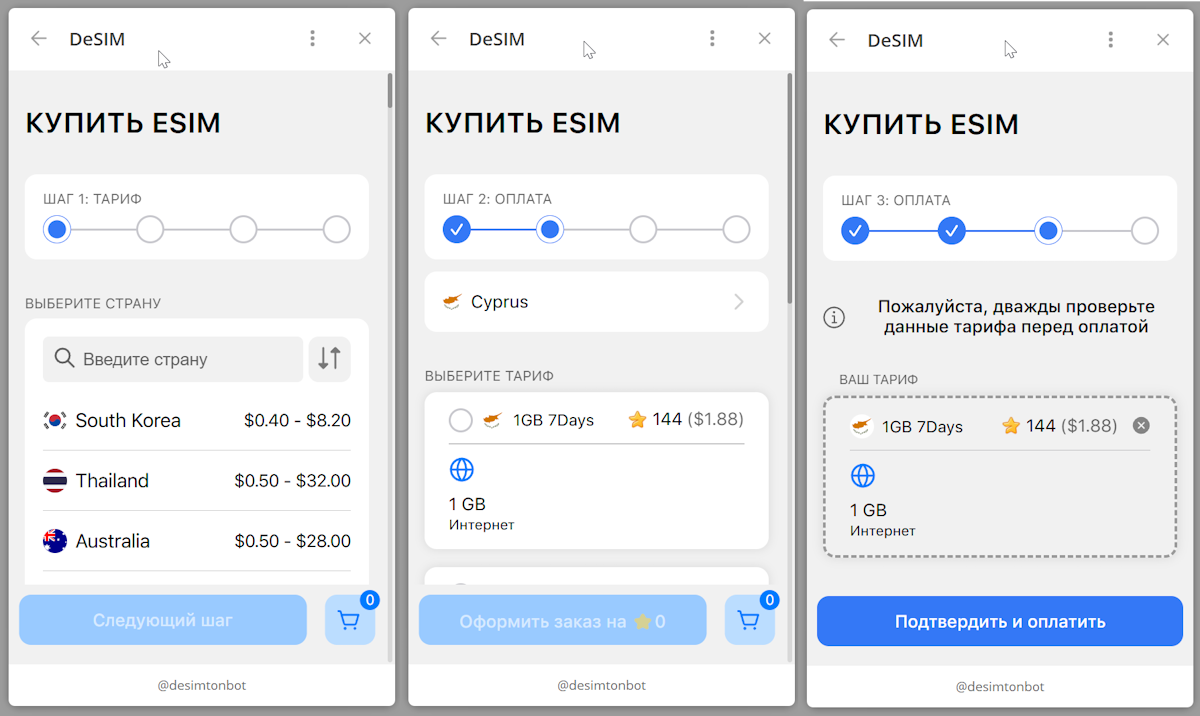
To keep your prepaid eSIM active, adding extra data or minutes is a seamless process through provider portals and apps. First, log into your account on the provider’s official app or website. Then, navigate to the top-up or add-ons section to view available data or minute bundles. Select your desired package and complete the payment using a card or digital wallet. The new balance applies instantly. Some apps allow auto-renewal toggles, preventing unexpected lapses. The sequence is straightforward:
- Open the provider’s app or portal and sign in.
- Choose “Add Data” or “Add Minutes” from the menu.
- Pick a bundle and confirm your purchase.
The updates reflect immediately on your line.
Understanding Auto-Recharge Options and Expiration Alerts
Understanding auto-recharge and expiration alerts is critical for maintaining uninterrupted prepaid eSIM service. Auto-recharge lets you set a minimum balance threshold; once your credit dips below it, the system automatically tops up from a linked payment method, preventing service cuts. Expiration alerts notify you via SMS or email days before your data plan or prepaid credit expires, giving you time to add funds manually. Without these tools, a lapsed balance can instantly kill connectivity, crucial for travel or remote work.

- Set your auto-recharge trigger at a safe threshold, like 20% of your last top-up amount, to avoid sudden drops mid-session.
- Configure expiration alerts to activate 48 hours before expiry, allowing buffer time to purchase a new plan.
- Verify your linked payment method has sufficient funds, or auto-recharge fails silently and no alert is triggered.
How to Transfer a Number to a New Prepaid eSIM Profile
To transfer your number to a new prepaid eSIM profile, first ensure your current number is active and not locked. Access your provider’s app, locate the number transfer to eSIM option, and generate a new QR code. Disable your old eSIM, scan the new code with your device’s camera, and follow the on-screen activation steps. Your network will reassign Singapore eSIM the number to the fresh profile within minutes.
Q: Will I lose my balance during a number transfer to a new prepaid eSIM profile?
A: No, your balance typically carries over because the funds are linked to your account, not the old eSIM. Confirm with your provider to avoid surprises.
Common Pitfalls and How to Avoid Them
Activating a prepaid eSIM before arriving at your destination is a common pitfall that starts data waste before you even land. Avoid this by scheduling activation for your landing day or waiting to scan the QR code only after you disconnect from your home network. Another frequent mistake is deleting the eSIM profile before properly deactivating the plan, which can instantly lock you out of unused data. Always keep the installation email and QR code saved until your trip ends.
Double-check your device’s eSIM compatibility list before purchase—an incompatible device makes the plan unusable and non-refundable.
Finally, never assume coverage maps are exact: download the provider’s app for real-time network selection to prevent spotty service in rural zones.
Overlooking Device eSIM Lock or Carrier Restrictions
A critical mistake when purchasing a prepaid eSIM is failing to check if your device is carrier-locked or has a restricted eSIM slot. Even if your phone is unlocked, some carriers disable eSIM functionality on certain models. Before buying, verify your phone’s IMEI for eSIM compatibility and ensure it is not tied to a specific network. Using a restricted device will prevent activation, wasting time and money. Always confirm carrier restrictions via your phone’s settings or your current provider’s policies.
Overlooking device eSIM lock or carrier restrictions renders a prepaid eSIM unusable, so always verify your phone’s eSIM status and unlocking status before purchase.
Choosing the Wrong Regional Plan for Your Itinerary
A traveler selecting a prepaid eSIM might opt for a broad regional plan, such as “Europe,” only to find their specific multi-country route includes nations outside that zone—like Switzerland or Turkey—causing immediate data disconnection. Mismatched coverage zones waste money when a cheaper, narrower plan would have sufficed for their actual stops. Conversely, buying a single-country plan for a multi-destination trip leads to repetitive purchases and service gaps at each border. Always cross-reference the eSIM’s coverage list against every country on your exact itinerary, not just the most prominent destinations.
Choosing the wrong regional plan for your itinerary stems from assuming a “regional” label aligns with your specific route, when in fact coverage voids at unlisted borders cost both connectivity and cash.
Ignoring Fair Use Policies and Speed Throttling Clauses
Ignoring fair use policies and speed throttling clauses with a prepaid eSIM often leads to sudden, severe slowdowns after consuming a small portion of high-speed data. Many users mistake “unlimited” plans for truly unrestricted access, only to find video streaming buffered or downloads halted. These throttling triggers occur when exceeding a daily or weekly data cap, not just monthly limits. To avoid this, always check the prepaid eSIM throttling thresholds before purchase, as they vary widely by provider.
- Review the exact high-speed data allowance, not just the total “unlimited” amount.
- Note whether throttling applies per day or per month, as many plans reset after 24 hours.
- Confirm if specific apps (e.g., video or social media) are deprioritized under fair use rules.
- Check if tethering is included or if hotspot usage triggers immediate throttling.
Future Trends in On-the-Go Digital Connectivity
Future trends in on-the-go digital connectivity will increasingly rely on prepaid eSIM to eliminate physical SIM swaps and roaming anxiety. Travelers will leverage instant profile switching to activate local data plans in seconds upon landing, unlocking faster network authentication. The rise of multi-network eSIM profiles will allow a single prepaid chip to seamlessly hop between regional carriers, ensuring stable speeds in remote areas. Users will manage data allowances via intuitive dashboards, automatically topping up from their digital wallets without interrupting their workflow. This evolvement transforms prepaid eSIM from a convenience into a core tool for nomadic professionals, enabling a persistent, streamlined connection that adapts to your itinerary without hardware friction.
Integration with IoT and Wearable Tech Devices
Prepaid eSIMs are unlocking seamless integration with IoT and wearable tech, allowing users to instantly activate connectivity on smartwatches, fitness bands, and health monitors without a phone tether. This enables real-time over-the-air provisioning, so a runner’s watch can autonomously switch to an affordable prepaid data plan for streaming music or tracking GPS. Similarly, a smart sensor in luggage can independently purchase a local prepaid eSIM upon arrival, eliminating roaming fees. The result: dedicated, low-cost data for each device, syncing your health stats, notifications, and location directly to the cloud, unbound from a primary SIM card.
Increased Competition Driving Lower Prices and More Flexible Plans
The scramble among providers is already forcing prepaid eSIM prices to plummet, making high-data packages accessible for just a few dollars. You now see carriers offering rolling weekly plans that beat any traditional monthly commitment, driven purely by the need to outbid rivals. This competition lets you snag a 10GB regional pass for the price of last year’s 3GB, with zero activation fees. The result is a clear, practical sequence: first, compare daily vs. 30-day rates across apps; second, lock in a temporary top-up that auto-renews only if you choose; third, switch to a cheaper competitor within minutes if a better deal appears—no SIM card swap needed.
The Rise of App-Only Management and Instant Recharge Features
Managing a prepaid eSIM is being streamlined through app-only management and instant recharge features. You no longer need physical store visits or separate portals. Instead, your service provider’s app becomes the single hub to monitor data usage, switch plans, and add balance. The true revolution is speed: credits apply in seconds, not hours. When traveling or commuting, a low-balance alert triggers a one-tap payment, restoring connectivity immediately. This eliminates downtime or hunting for public Wi-Fi. App-only control also enables real-time plan changes, such as upgrading to a high-speed burst mid-browser session or locking in a local data pack the moment you land. It’s connectivity that adapts instantly to your behavior.